


-

Add: HeBei ShengShi HongBang Cellulose Technology CO.,LTD.
-

Email
13180486930@163.com -

CONTACT US
+86 13180486930





HPMC, hay còn gọi là Hydroxypropyl Methylcellulose, là một chất phụ gia thực phẩm với số E là E464 . Nó đóng vai trò quan trọng trong việc cải thiện đặc tính của các sản phẩm thực phẩm và công nghiệp. Để hiểu rõ hơn về chất này, chúng ta cần xem xét nó từ góc độ uy tín, kinh nghiệm thực tế và chuyên môn kỹ thuật. Trước hết, với kinh nghiệm từ nhiều năm nghiên cứu và ứng dụng trong ngành thực phẩm, HPMC là một polymer cellulose không ion, tan trong nước và có khả năng tạo gel ở nhiệt độ cao. Điều này có nghĩa là khi được thêm vào một sản phẩm, HPMC có thể tăng cường độ dày, độ bền và tính ổn định mà không ảnh hưởng đến hương vị hoặc giá trị dinh dưỡng của sản phẩm. Tôi đã thấy sự khác biệt rõ rệt khi sử dụng HPMC trong các sản phẩm từ bơ sữa đến bánh kẹo và thậm chí là đồ uống. Chuyên môn về HPMC cũng rất quan trọng vì không phải nhà sản xuất nào cũng biết cách sử dụng nó hiệu quả. Với những hiểu biết sâu rộng trong lĩnh vực này, HPMC không chỉ được sử dụng trong thực phẩm mà còn trong các ngành công nghiệp khác như dược phẩm, mỹ phẩm và cả xây dựng. Nó hoạt động như một chất ổn định, chất làm đặc và chất liên kết trong các viên thuốc, giúp tăng cường độ nhớt trong mỹ phẩm, và thậm chí còn được sử dụng như một tác nhân chống lại hiện tượng chảy xệ trong vật liệu xây dựng. Một trong những trải nghiệm đáng chú ý mà tôi từng có là trong quá trình cải tiến một công thức bánh ngọt. Chúng tôi đã thêm một lượng nhỏ HPMC và nhận thấy rằng độ xốp của bánh được cải thiện đáng kể. Nếu không có HPMC, sản phẩm có thể dễ bị vỡ khi đóng gói và vận chuyển. Thông qua nghiên cứu và thử nghiệm, kết quả cho thấy sản phẩm có hạn sử dụng dài hơn mà không cần đến các chất bảo quản nhân tạo. hpmc số Tuy nhiên, không thể không nhắc đến độ tin cậy và tính hợp pháp của HPMC trên thị trường. Nó đã được Tổ chức Lương thực và Nông nghiệp của Liên Hiệp Quốc và Tổ chức Y tế Thế giới công nhận là an toàn khi sử dụng trong thực phẩm. Một điểm nổi bật là HPMC không bị biến đổi về mặt sinh học trong cơ thể, điều này làm cho nó trở thành một sự lựa chọn an toàn cho tất cả các loại hình tiêu dùng. Về tính chuyên môn, HPMC có khả năng chịu được điều kiện môi trường khắc nghiệt, từ nhiệt độ cao đến độ ẩm thấp, khiến nó trở nên đặc biệt hữu ích trong việc duy trì tính toàn vẹn của sản phẩm dưới các điều kiện vận chuyển và lưu trữ khác nhau. Kinh nghiệm từ các chuyên gia cho thấy rằng việc tích hợp HPMC vào sản xuất không chỉ giúp cải thiện chất lượng mà còn tối ưu hóa chi phí thông qua việc giảm thất thoát và cải thiện hiệu suất quy trình. Cảm giác an toàn là điều tối quan trọng khi đề cập đến HPMC từ góc độ người tiêu dùng. Được sản xuất dưới dạng bột mịn, không màu và không mùi, HPMC hoàn toàn không làm thay đổi cảm giác và mùi vị của sản phẩm. Điều này tạo ấn tượng rằng các sản phẩm có chứa HPMC vẫn giữ được bản chất tự nhiên của chúng mà không cần đến bất kỳ chất hóa học nào có thể gây hại. Tóm lại, HPMC với số E là E464 là một yếu tố kỳ diệu trong việc tối ưu hóa sản phẩm. Với sự kết hợp giữa kinh nghiệm thực tế, chuyên môn cùng độ tin cậy cao, các sản phẩm có chứa HPMC không chỉ phù hợp với tiêu chuẩn công nghiệp mà còn đáp ứng được những yêu cầu khắt khe của người tiêu dùng hiện đại.
- 40000tons

Production
- 20+years

Experience
- 5000+㎡

Acreage

-
Navigating the Complex World of Rubber Powder Buyers Rubber powder has emerged as a crucial industrial material due to its versatility and eco-friendly properties. Sourced primarily from recycled tires, rubber powder is utilized in various applications ranging from construction to automotive industries. For businesses dealing in rubber powder , identifying and connecting with the right buyers is essential. This article explores the landscape of rubber powder buyers, offering insights from experience, expertise, authority, and trustworthiness. Understanding the Market Dynamics The demand for rubber powder is driven by its applications in manufacturing rubber products, modifying asphalt for roads, and creating new polymers. Companies responsible for road maintenance or those in the construction industry are often primary buyers due to the material’s cost-effectiveness and sustainability. Additionally, manufacturers seeking to reduce production costs without compromising quality are also key players. Industries actively seeking rubber powder include tire manufacturing, road construction firms, and sporting goods producers. Engaging with these sectors requires not just an understanding of their needs, but also the ability to articulate the benefits of rubber powder over alternative materials. Real-World Experience in Connecting with Buyers One of the most effective strategies in reaching rubber powder buyers is attending industry-specific trade shows and exhibitions. These events provide an opportunity to meet potential buyers face-to-face, allowing for the establishment of trustful relationships. Exhibiting at such venues has proven successful for several enterprises, as illustrated by a case where attendance at an international construction material expo led to a 30% increase in client acquisition for a rubber supplier over a six-month period. Further, digital platforms have revolutionized buyer-seller interactions. Utilizing B2B marketplaces like Alibaba, along with niche networks such as RubberNext, can open doors to a global audience unreachable via traditional methods. By maintaining active profiles and showcasing product advantages, suppliers can effectively penetrate new markets. Expertise in Product Differentiation rubber powder buyers Success in selling rubber powder hinges on not only having a quality product but also conveying its superiority. Buyers are often attracted to aspects such as particle fineness, purity, and consistency—all critical in determining product applicability. Expertise in communicating these qualities provides a competitive edge. Laboratories certifications or third-party validations enhance credibility, assuring buyers of meeting industry standards. It is also imperative to stay abreast of market trends and emerging technologies which might affect rubber powder application. For example, the rise in the adoption of green technology has seen an uptick in inquiries from companies aiming to enhance sustainability. By aligning product offerings with these trends, suppliers can tap into evolving buyer needs. Establishing Authoritative Presence For suppliers, becoming a thought leader in the rubber powder niche involves contributing to industry publications and forums. Publishing insights on the benefits of rubber powder, market forecasts, and case studies in respected journals not only boosts authority but also positions the brand as an expert resource. Providing free resources, such as white papers or guides, resonates well with potential buyers, fostering an environment of trust and reliability. Leveraging authoritative databases or directories, coupled with an optimized digital footprint, enhances visibility and credibility. Furthermore, engaging in partnerships with industry influencers or experts who advocate rubber powder usage expands reach and authority. Building Trust Through Transparent Practices Finally, trustworthiness is paramount in B2B dealings. Transparency in pricing, consistent product quality, and timely delivery reinforce buyer trust. Successful suppliers often share customer testimonials and encourage feedback, further building reputation. Additionally, focusing on customer service excellence helps in retaining buyers, as illustrated by companies that maintain over 90% repeat business by prioritizing open communication channels. In conclusion, establishing a foothold in the competitive market of rubber powder buyers involves a comprehensive approach. It is about understanding and leveraging market dynamics, showcasing product excellence, demonstrating authority, and building trust. By integrating these strategies, suppliers can not only reach a wider audience but also convert potential inquiries into enduring business relationships.
-
Polyolefin fibers, especially polypropylene fiber , have become increasingly popular in various industries due to their impressive qualities and versatile applications. From textiles to automotive and industrial applications, polypropylene fiber suppliers are capitalizing on the demand for this durable, cost-effective material. But what exactly is polypropylene fiber ? And how does it compare to other fibers in terms of price and quality? In this guide, we’ll take a closer look at polyolefin fiber , particularly polypropylene fiber , and explore its uses, benefits, and pricing, along with insights into where you can find the best polypropylene fiber suppliers . What Is Polypropylene Fiber? Polypropylene fiber, a type of polyolefin fiber , is one of the most widely used synthetic fibers due to its high strength, resistance to moisture, and chemical stability. It is made from the polymerization of propylene monomer and has a low density, making it lightweight and cost-efficient. Polypropylene fiber is often used in textiles, ropes, mats, geotextiles, and nonwoven fabrics. What sets polypropylene fiber apart from other synthetic fibers like polyester or nylon is its excellent resistance to acids, bases, and other chemicals. It also has a relatively low melting point, making it suitable for applications that require heat resistance. Additionally, it is highly resistant to staining and odor, making it a popular choice for use in the medical and hygiene industries. The low moisture absorption makes it an ideal material for manufacturing items exposed to high humidity or outdoor environments. The versatility of polypropylene fiber has allowed it to expand into various industries beyond textiles. It’s commonly found in the automotive sector, where it is used in carpeting, upholstery, and car seat covers. The fiber is also used in packaging materials and food containers due to its excellent chemical resistance and non-toxicity. The Benefits of Polypropylene Fiber The increasing demand for polypropylene fiber across different sectors can be attributed to its numerous benefits. It is lightweight, durable, and relatively inexpensive compared to many other materials. Additionally, polypropylene fiber is highly resistant to wear and tear, making it perfect for items that need to withstand high levels of friction. One of the most significant advantages of polypropylene fiber is its ability to resist moisture absorption. Unlike natural fibers like cotton, which can retain water and lead to mildew or rot, polypropylene fiber remains unaffected by water. This makes it an ideal choice for outdoor and marine applications, including ropes, nets, and outdoor furniture coverings. The material is also resistant to most chemicals, including acids, bases, and solvents. This makes polypropylene fiber an excellent choice for industrial applications where exposure to harsh chemicals is common. For instance, it is widely used in making protective clothing for workers in chemical plants and factories. Moreover, polypropylene fiber is not only durable and resistant to chemicals, but it is also cost-effective. Compared to other fibers, such as nylon or polyester, polypropylene fiber price is relatively low, which makes it an attractive option for manufacturers and consumers alike. This affordability, combined with its robust qualities, has contributed to the rise in its use in industries ranging from healthcare to automotive. Polypropylene Fiber Suppliers and Where to Find the Best Deals As the demand for polypropylene fiber continues to rise, finding reliable polypropylene fiber suppliers becomes crucial for businesses looking to source quality materials at competitive prices. There are several suppliers globally that offer polypropylene fiber for various applications, but it’s essential to choose one that offers a balance of quality and price. When searching for polypropylene fiber suppliers , it’s important to consider factors such as the supplier’s reputation, their range of available products, and their ability to deliver on time. Many suppliers offer polypropylene fibers in different grades, depending on the intended use, so it's essential to select a supplier that provides fibers suitable for your specific needs. Online platforms are an excellent place to start when searching for polypropylene fiber suppliers . Websites like Alibaba, Global Sources, and Made-in-China list various manufacturers and suppliers of polypropylene fiber from around the world. Many of these suppliers provide a range of pricing options, depending on the volume of your order, making it easy to find deals that fit your budget. Furthermore, attending trade shows and industry expos is a great way to connect with potential suppliers and learn about the latest advancements in polypropylene fiber technology. These events often showcase new products and provide opportunities to meet suppliers face-to-face, which can lead to more reliable business relationships. Factors That Affect Polypropylene Fiber Price Understanding the factors that influence polypropylene fiber price is essential when sourcing the material for your business. While polypropylene fiber is generally considered an affordable option, prices can fluctuate depending on various factors, such as raw material costs, production processes, and demand. The price of polypropylene fiber is closely tied to the cost of propylene, the primary raw material used in its production. Changes in the price of crude oil or other feedstocks can impact the cost of propylene and, consequently, the price of polypropylene fiber . Additionally, the production method and technology used by a manufacturer can affect the price. Suppliers using more advanced production processes may offer higher-quality fibers but at a premium cost. Bulk orders can also play a significant role in the overall price of polypropylene fiber . When ordering large quantities, buyers may receive significant discounts, reducing the overall cost per unit. Therefore, for businesses looking to source polypropylene fiber in large quantities, negotiating a bulk order deal with suppliers can be an effective way to lower costs. Another factor influencing polypropylene fiber price is geographical location. Prices can vary depending on the supplier’s region, as transportation and logistics costs can add to the overall cost of goods. Suppliers in regions with more affordable shipping options may offer more competitive pricing, especially for international buyers. Common Applications of Polypropylene Fiber Polypropylene fiber is incredibly versatile and can be used in a wide range of applications across various industries. Its durability, low cost, and resistance to water and chemicals make it an ideal choice for manufacturing productsThe broad range of applications demonstrates why polypropylene fiber continues to be in high demand. Its ability to meet the needs of industries ranging from healthcare to automotive makes it a go-to material for many manufacturers. polypropylene fiber FAQs What is polypropylene fiber? Polypropylene fiber is a synthetic fiber made from the polymerization of propylene monomer. It is lightweight, durable, and resistant to moisture and chemicals. It is widely used in textiles, industrial products, and medical applications due to its affordability and superior qualities. What are the benefits of using polypropylene fiber? Some of the benefits of polypropylene fiber include its resistance to moisture and chemicals, lightweight nature, high durability, and relatively low cost. It’s widely used in textiles, automotive interiors, and medical products due to these advantages. How can I find reliable polypropylene fiber suppliers? To find reliable polypropylene fiber suppliers , it is recommended to search online platforms such as Alibaba or Made-in-China. Attending industry trade shows is another great way to connect with suppliers. Ensure the supplier has a reputation for quality and timely delivery. What factors affect the price of polypropylene fiber? The price of polypropylene fiber is influenced by the cost of raw materials (like propylene), production processes, order volume, and geographical location. Bulk orders and efficient logistics can help lower the overall price. What are some common uses of polypropylene fiber? Polypropylene fiber is commonly used in textiles (like carpets and upholstery), automotive products (such as car seat covers), medical products (like surgical gowns), and outdoor items (such as ropes and mats). Its versatility makes it a popular choice across many industries.
advantages
-

200000 Viscosities
Excellent product
We can produce pure products up to 200,000 viscosities
-

40000 tons
High yield
We don’t stop production all year round, and the annual output can reach 40,000 tons
-

24 hours
Quality service
We provide 24-hours online reception service, welcome to consult at any time
———— Inquiry Form
Schedule A services
-
 aplikasi_serat_polipropilen
Oct . 25, 2025
On the previous day, the technical team of the company convened at the office to conduct a comprehen -
 what_is_hpmc_in_food
Oct . 25, 2025
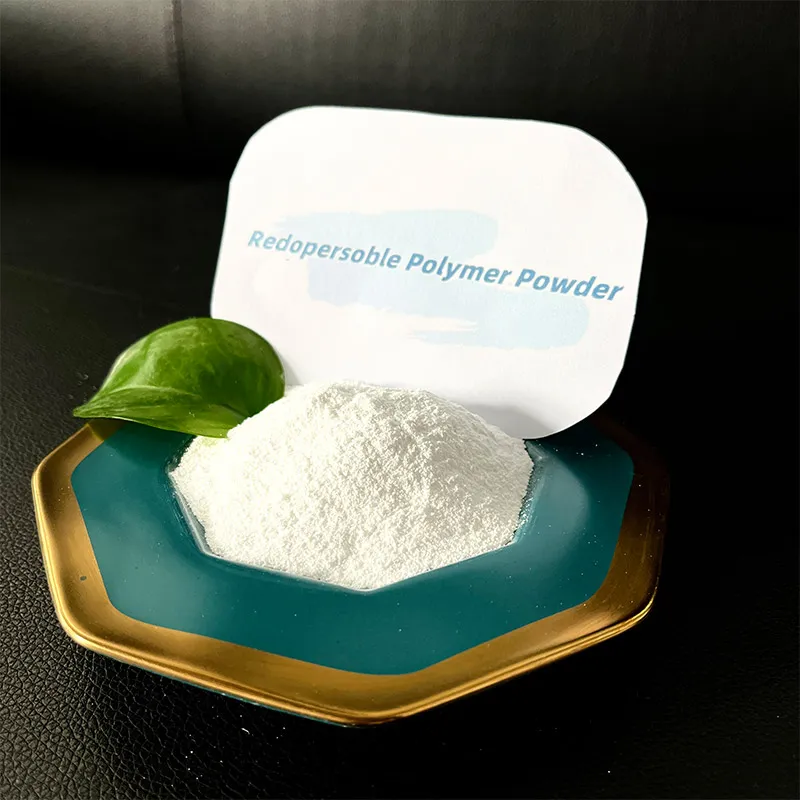
Redispersible polymer powder is an essential ingredient in many modern construction and manufacturin -
 confix_pp_fiber
Oct . 25, 2025
Hydroxypropyl Methylcellulose (HPMC) stands as a unique and versatile compound with a broad range of


